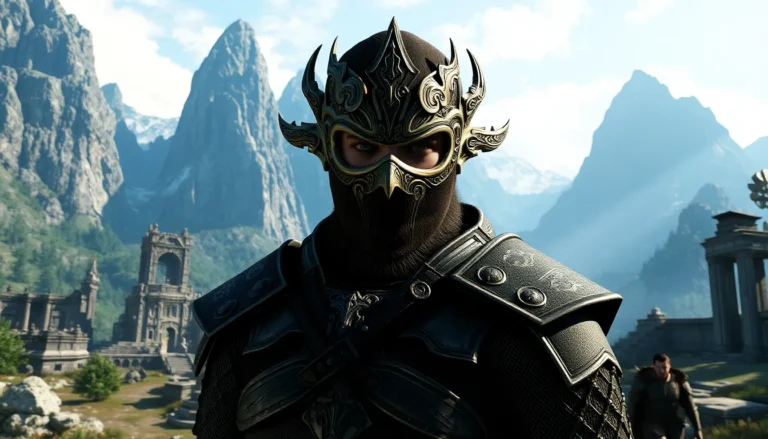

Mobile MOBA games have taken the gaming world by storm, transforming casual players into fierce strategists overnight. Imagine battling it out with friends or strangers from the comfort of your couch, all while pretending you’re a legendary hero in a mythical realm. It’s like chess but with more explosions and less old men in suits.
Overview of Mobile MOBA Games
Mobile MOBA games have surged in popularity, attracting millions of players worldwide. These games blend strategic gameplay with fast-paced action, providing an immersive experience tailored for mobile devices. Players engage in intense battles, working with teams to outmaneuver opponents.
Gameplay typically revolves around selected characters, each with unique skills and roles. Characters serve specific functions such as tanks, damage dealers, and support, creating a balanced team dynamic. The objective often involves destroying the enemy’s base while defending one’s own, adding layers of strategy to each match.
Key titles like League of Legends: Wild Rift and Arena of Valor lead the market, offering refined experiences and vibrant graphics. Mobile platforms enable easy access, allowing players to enjoy lengthy matches during commutes or short breaks.
Community engagement plays an essential role in mobile MOBA games. Regular tournaments and events foster competitive spirit, encouraging players to showcase their skills. Social features facilitate communication and coordination among team members, enhancing the overall collaborative experience.
Balancing competitive integrity and accessibility remains pivotal. Developers frequently update games to ensure fair play and introduce new content, keeping players invested. Frequent patches and player feedback loop into the ongoing evolution of these games.
Mobile MOBA games transform casual gamers into dedicated strategists, captivating diverse audiences. By combining complex strategies with action-oriented gameplay, these titles redefine modern gaming, making them a staple in the industry.
Popular Titles in Mobile MOBA Games

Mobile MOBA games showcase a variety of exciting titles, each delivering a unique gaming experience. Here are some of the most popular options currently in the market.
Game 1: League of Legends: Wild Rift
League of Legends: Wild Rift brings the renowned gameplay of its PC counterpart to mobile devices. Players can engage in 5v5 matches across various maps. Smooth controls enable users to quickly execute strategies. Champions, equipped with distinctive abilities, contribute to team dynamics. Frequent content updates introduce new characters and balance changes, ensuring competitive integrity. The vibrant graphics and immersive environment create an engaging atmosphere for players.
Game 2: Mobile Legends: Bang Bang
Mobile Legends: Bang Bang garners massive popularity with its accessible gameplay. Matches typically last around 10 to 15 minutes, perfect for quick gaming sessions. Players can choose from over 100 heroes, each fitting specific roles within a team. The game promotes teamwork through responsive controls. Regular updates keep the game fresh and engaging with new heroes and map adjustments. Events and tournaments cultivate a strong community vibe, drawing players into an ongoing competitive landscape.
Game 3: Arena of Valor
Arena of Valor stands out with its focus on quick matches and diverse hero selection. Each match usually spans 10 to 20 minutes, allowing for fast-paced gameplay. Players can pick from over 100 heroes inspired by various cultures and mythologies. The simple yet effective interface enhances user experience, appealing to both new and veteran players. Seasonal events introduce limited-time content, maintaining player interest. Strong community support fosters collaboration among gamers, making every battle a shared experience.
Gameplay Mechanics in Mobile MOBA Games
Mobile MOBA games feature engaging gameplay mechanics that promote strategic interaction and teamwork, immersing players in an exhilarating battle arena.
Character Roles and Team Composition
Character roles define how players contribute to their teams. Tanks absorb damage and protect allies, while damage dealers focus on eliminating opponents. Support characters provide healing and buffs, enhancing team performance. Diverse roles create balanced team compositions essential for success. For example, a well-rounded team might include two damage dealers, a tank, and a support champion. Coordination among players helps utilize each character’s strengths, forming synergy that can turn the tide in battles.
Game Objectives and Strategies
Game objectives emphasize teamwork and strategy. Players aim to destroy the enemy base while defending their own. Effective clear communication and coordination amplify chances of victory. Teams often adopt strategies like lane division, where players cover specific lanes to control territory and gain experience. Mid-game objectives, such as securing jungle monsters or controlling vision, contribute to overall advantages. Winning requires adapting strategies based on the dynamic nature of matches and opponents’ moves.
The Impact of Mobile MOBA Games on the Gaming Industry
Mobile MOBA games significantly transformed the gaming industry by attracting a vast audience. Millions of players engage daily, drawn to the genre’s strategic gameplay combined with fast-paced action. By focusing on accessibility, these games cater to both casual and dedicated gamers, allowing anyone to dive into competitive play with ease.
Influencing game development, mobile MOBAs shift designers’ priorities towards creating refined user experiences. Titles like League of Legends: Wild Rift not only embrace mobile controls but also introduce regular updates that enhance gameplay. This focus on iterative improvements keeps players invested and engaged.
Community dynamics also changed due to mobile MOBA’s rise. With vibrant communities, players participate in tournaments and events fostering competitive spirit. Social features built into these games enhance communication among teammates, encouraging collaboration and strategic planning.
Revenue models within mobile MOBA games have impacted industry economics. Free-to-play structures with in-game purchases encourage broader access while generating substantial revenue. The success of games like Mobile Legends: Bang Bang demonstrates how monetization can coexist with player satisfaction.
Esports emerged as a significant area of growth influenced by mobile MOBAs. Global tournaments attract massive audiences both online and in-person, showcasing top-tier gameplay. This visibility solidifies mobile MOBA games as a cornerstone of the gaming market.
Creating new gameplay mechanics continues to enhance strategic interactions among players. Emphasis on teamwork and character roles drives players to coordinate effectively. Ultimately, mobile MOBA games shape the future of gaming by redefining player experiences and influencing industry standards.
Future Trends in Mobile MOBA Games
Increasing integration of advanced technologies shapes the future of mobile MOBA games. Artificial intelligence strategies enhance player matchmaking, leading to more balanced teams. Augmented reality features may create immersive experiences, allowing players to engage with the game world in new ways.
Cross-platform compatibility trends gain traction, enabling seamless gameplay between mobile and PC users. This unity enhances the player base and promotes competitive events that attract larger audiences. Regular updates focusing on character balance and introducing fresh content remain pivotal for keeping players engaged.
New monetization models emerge, shifting from traditional purchases to subscription-based systems. This approach allows developers to sustain continuous content updates while fostering a vibrant community. Increased emphasis on esports also drives the mobile MOBA scene forward, drawing in sponsors and elevating competitive gaming to new heights.
Data analytics usage becomes more prominent among developers. They analyze player behavior to refine gameplay and enhance user experience. Community feedback systems evolve as well, encouraging player input for future updates and game mechanics.
Convergence of genres may lead to innovative gameplay elements within mobile MOBAs. Incorporating mechanics from battle royale or role-playing games can drive interest and diversity. As these trends progress, user engagement remains at the forefront of development strategies, ensuring games adapt and grow with player preferences.
Sustainability in game design focuses on creating long-lasting experiences that resonate with players over time. This approach not only enriches gameplay but strengthens community ties as players share their experiences and strategies. Continuous evolution is essential for mobile MOBA games, ensuring they maintain relevance in the fast-paced gaming market.
Conclusion
Mobile MOBA games have undeniably transformed the gaming landscape by merging strategy with fast-paced action. Their ability to engage players through competitive gameplay and vibrant communities has solidified their place in the industry. As developers continue to innovate and refine user experiences, these games will likely evolve, attracting even more players and creating new opportunities in esports. The future of mobile MOBAs looks promising with advancements in technology and gameplay mechanics, ensuring they remain a staple for both casual and competitive gamers alike.